Supporting United National Sustainable Development Goal 3: Good Health And Well-Being
HIV and AIDS, malaria, TB and diarrhoeal diseases are major health problems in Zambia. The HIV and AIDS pandemic has pushed most families below the poverty line. According to the latest statistics from UNAID approximately 1.5 million people are living with HIV. Longevity has increased in recent years to 66-67 years of age. Malaria is the one of the biggest killers of man, most deaths occur in children under the age of five in Sub-Sahara Africa. Lack of safe drinking water increases the risk of diarrhoeal diseases, which can be fatal in infants.
What our charity is doing:


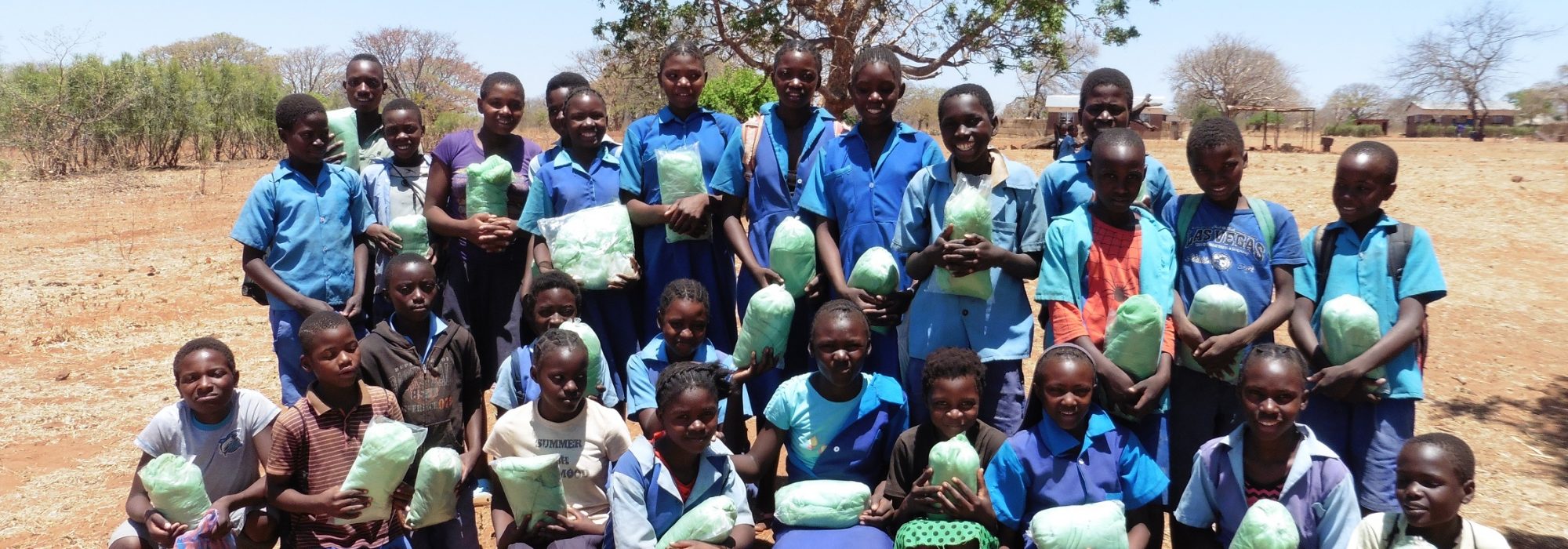
The Butterfly Tree supports a number of health programmes in rural clinics, which receive very little funding. The most crucial is malaria prevention to outreach communities in five Chiefdoms, Mukuni, Sekute, Musokotwane and Moomba, providing mosquito nets and educational workshops. In 2015 we launched a new malaria prevention project, providing two safe products, which were first distributed in the Mukuni and Sekute Chiefdoms, and most recently in Nyawa and Moomba. This innovative method is proving to be highly effective.
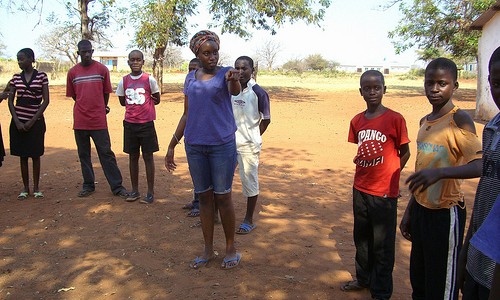
HIV prevention education is essential, encouraging people to be tested in order to know their status; support, counselling and treatment are also available. Our most successful HIV prevention method, using trained peer educators, works well in schools and helps to prevent new cases of HIV. Since 2006 we have provided vast amounts of medical supplies and equipment to these rural health centres.
We work with highly qualified medical medical officers, nurses and environmental health technicians. All of the medical staff are employed by The Minsitry of Health.
We have advanced maternity care at Mukuni, Mambova, Mahalulu, Singwamba, Kasiya, Katasnda, Musokotwane, Sikaunzwe, Simonga, Manyemuyemu and Sikachapa clinics, adding maternity wings and women’s shelters. Whenever possible we fund treatment for sick children, a considerable number have received financial assistance for operations, special diets, medication and physiotherapy.
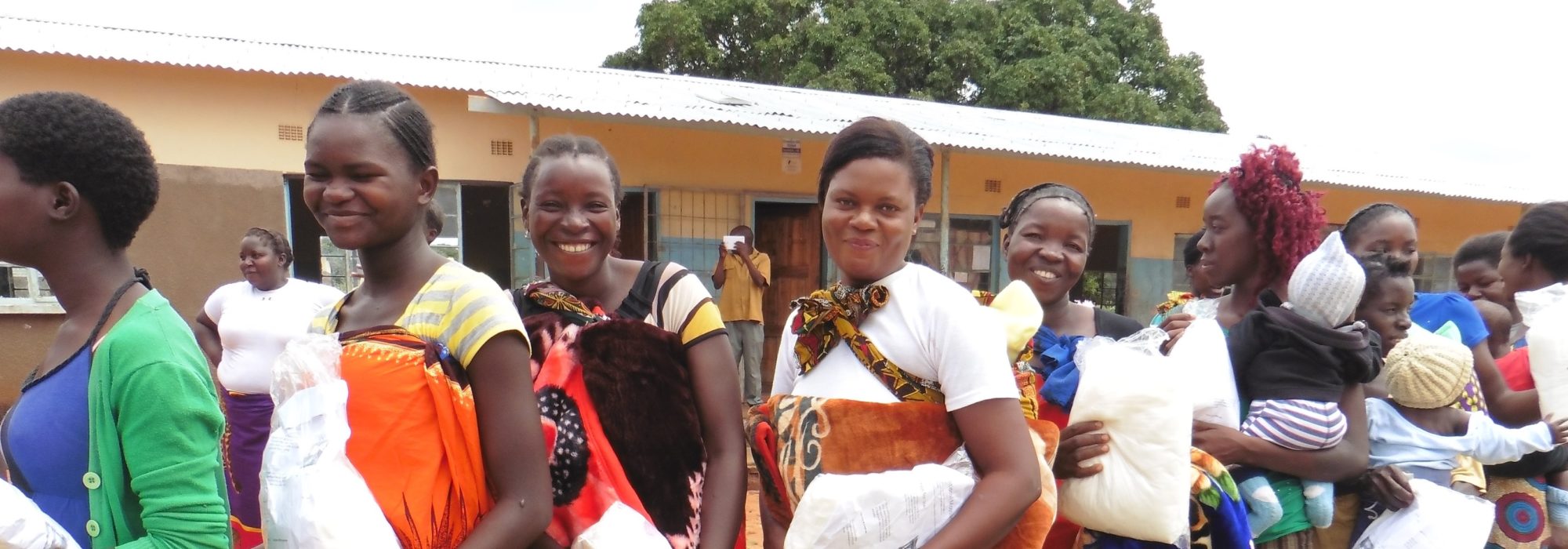
An entire Health Centre was added at Mahalulu and a rural clinic was built at Muchambila in 2014. Two further women’s shelters were added in 2015 and a new clinic for Mambova, to replace the old one, was opened in 2016. In 2017 we greatly improved the drainage and sanitation at Mukuni Health Centre. In November 2018 we completed a new health centre, which included a main clinic, maternity unit, women’s shelter and latrines at Sikaunzwe and one in Bunsanga in 2019. A new health post with staff houses, at Katondo, is being constructed in 2021. In October 2017 we started a pioneer project in schools for the distribution of mosquito nets. The aim is to provide every pupil and teacher with a mosquito nets, 1,400 pupils and teachers at River View were the first beneficiaries. For the past 16 months there has been no absenteeism from malaria. In November 2018 all pupils and teachers at Sikaunzwe and Kawewe Schools were given mosquito nets.


Our support is vital – without it these vulnerable people would have limited medical services.
Overview
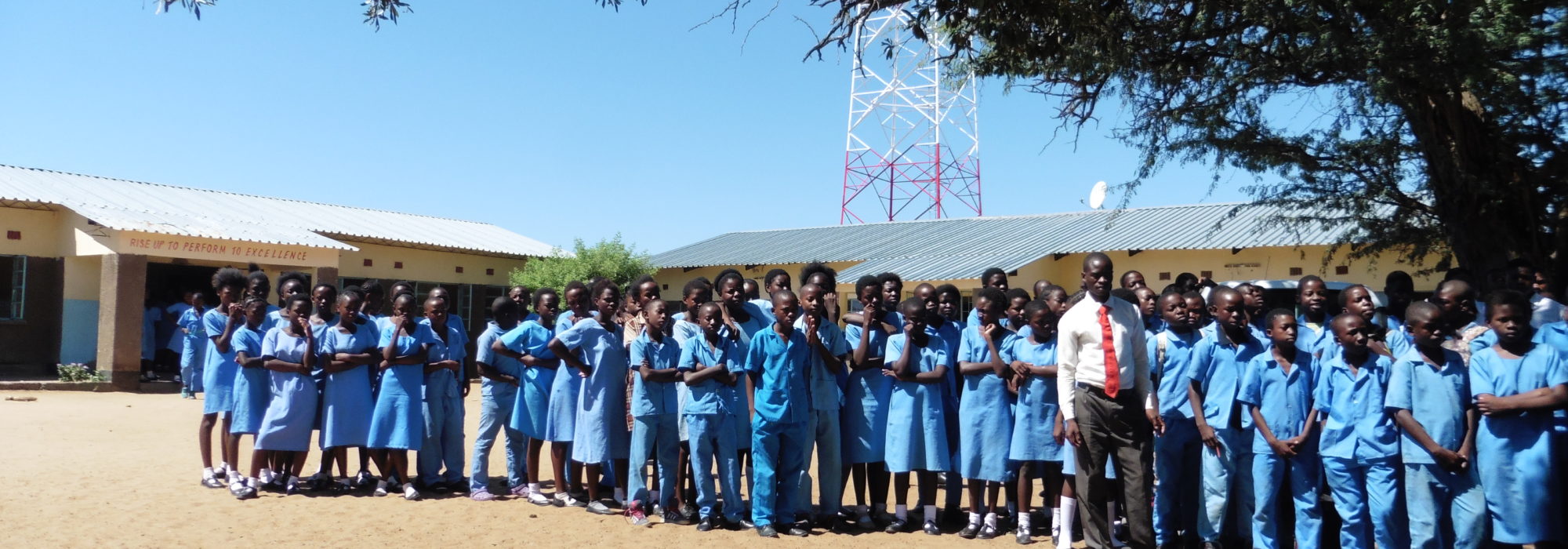
Our work has provided vital water projects, which include 64 boreholes for schools and remote communities. We have opened a number of rural schools and have developed over forty more, with the addition of extra classrooms, teacher’s houses and latrines. Sustainable feeding programmes have assisted remote schools, which has helped to improve concentration and attendance in pupils who walk long distances to seek an education. We funded the first rural secondary schools in Mukuni and Sekute and have since developed ones at Riverview, Musokotwane and Nguba. The four special education units we built, were the first ever in rural schools.
Our health projects include the construction of nine new health centres, five maternity clinics and seven women’s shelters. We fund HIV and AIDS prevention workshops and malaria prevention initiatives, providing mosquito nets, and insecticidal coating and larvicide. Working with the Ministry of Health at National level we aim to support the government in their fight against malaria. Treatment is funded for sick children. In total we have given support to thirty health centres and Livingstone General Hospital. Over 200 community houses have been built for widows, the elderly and orphans.