Save Lives with Clean Water
Summary of the WHO/UNICEF Joint Monitoring Programme estimates for Zambia (2023–2024):
- 13% of healthcare facilities lack any water service
- 21% of schools lack basic water access
- 17% of schools lack basic sanitation
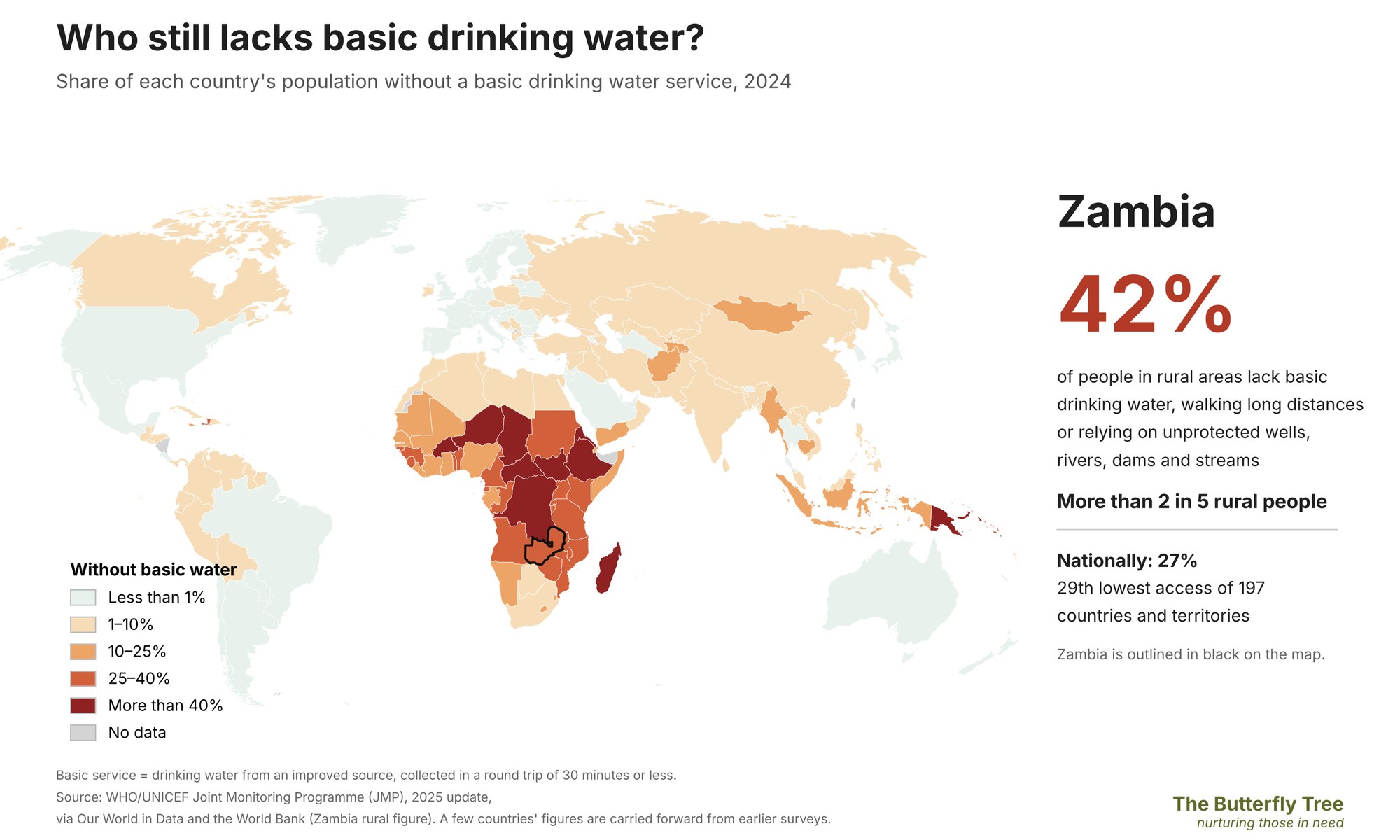
- 27% of households lack basic water access
- Among the poorest quintile, 60% of households lack access to a basic water service
- 63% of households lack basic sanitation
- 82% of households lack basic hygiene facilities
In most rural areas people depend on bacteria-infected streams and rivers where there are crocodiles and contaminated shallow wells, to obtain water.
See How We Have Benefited Education So Far


What our charity is doing to help bring clean water:

Our work is supporting the United Nations Sustainable Development Goal 6 to ensure access to water and sanitation for all.
Our aim is to provide safe, clean water to outreach communities in Zambia; ensuring that schools have close access to clean water for drinking and food production for sustainable feeding programmes.
As of October 2026, we have installed the following boreholes:

Sanitation and Hygiene
An estimated 13.4 million people in Zambia, 63% of the population, do not have adequate sanitation.
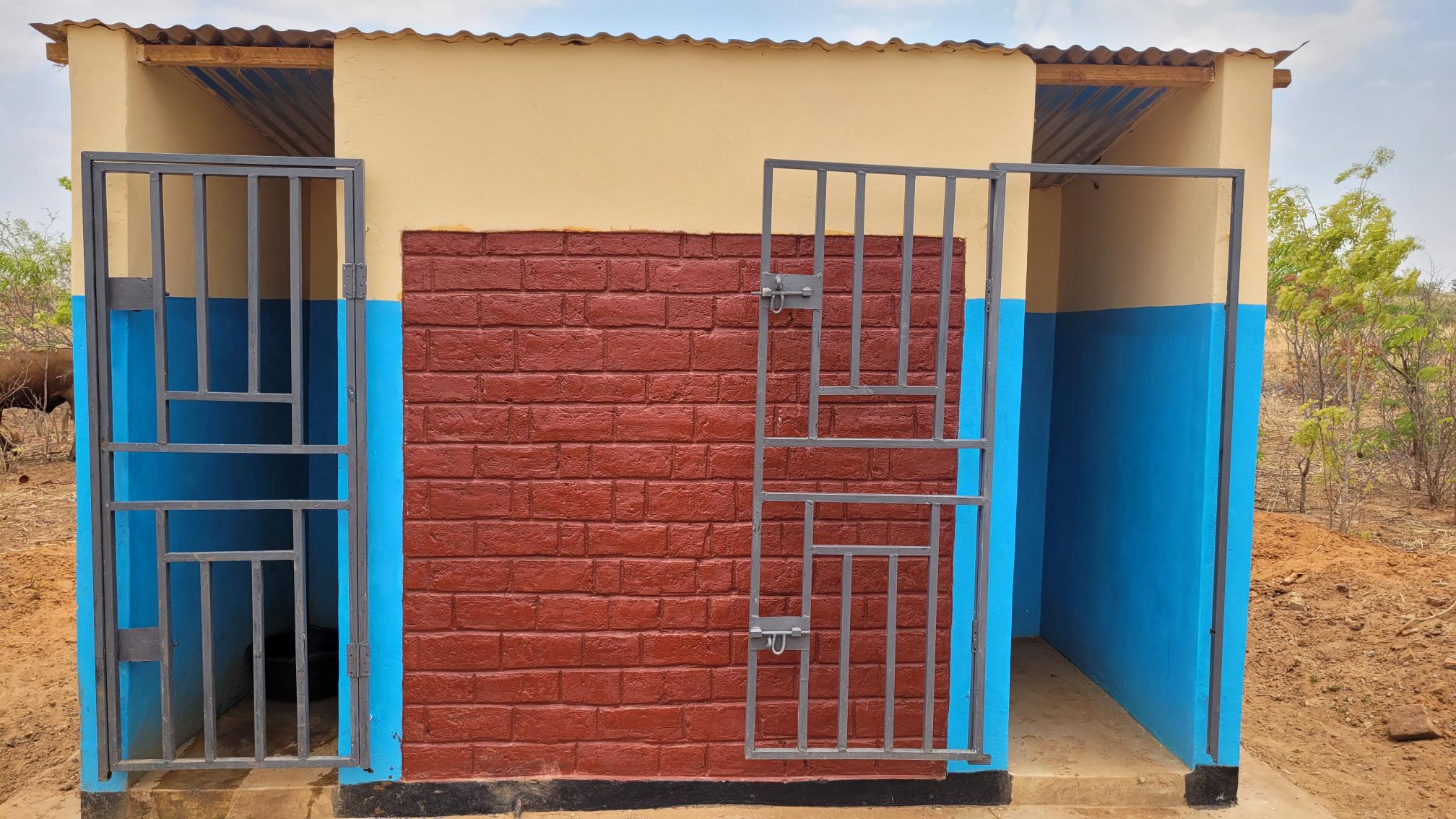
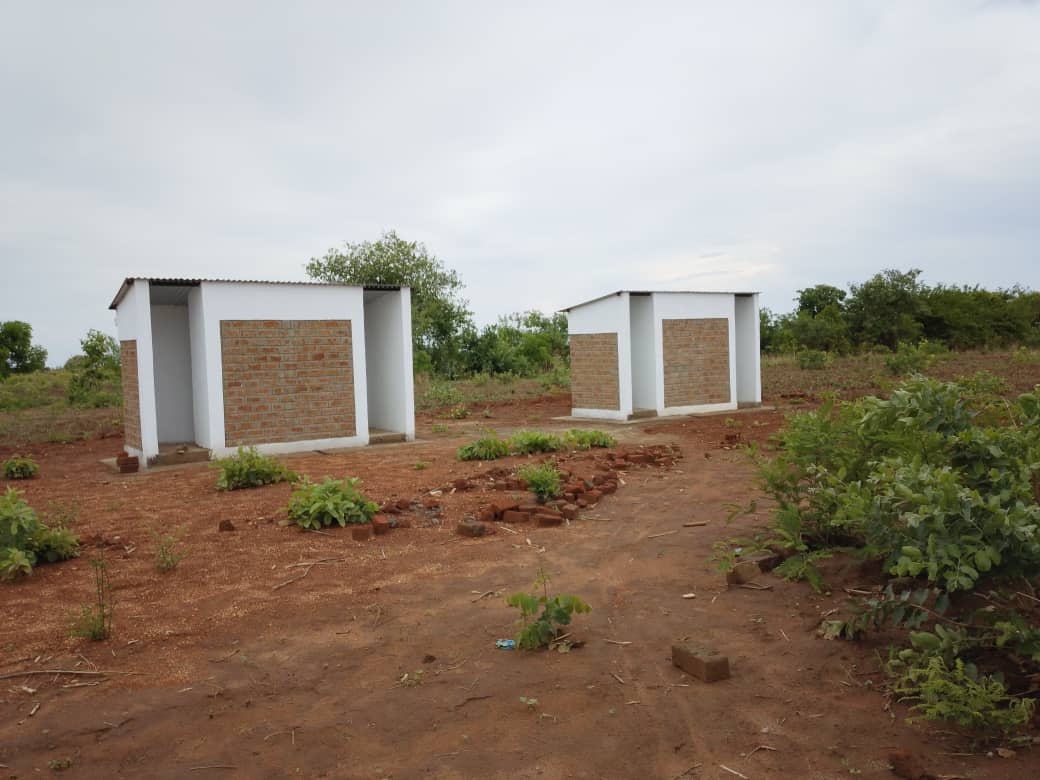
Poor sanitation can lead to communicable diarrhoeal diseases and other health related problems. Where there is no sanitation communities have to use the bushes and streams, the latter are also used for drawing drinking water. The Butterfly Tree has donated over 150 pit-latrines to schools and health posts.
The lack of hygiene causes a number of health issues, most especially diarrhoea in all age groups, which can be fatal in infants. The Environmental Health Technicians communities educate the communities on the importance of hygiene when handling food, collecting water, after using a latrine and during sickness. Mothers are encouraged to attend anti and post-natal clinics where they are given information on hygiene.
For menstruating girls, life is difficult especially in rural areas, as they cannot afford to buy sanitary pads. Many resort to using torn rags and when they get to school there is no soap or toilet paper. As a result, there is a great deal of absenteeism during their monthly cycle.