Children from remote villages can walk as much as 10 miles each way to school, on only one meal a day.
The Butterfly Tree supports food projects in rural schools, to provide sustainable feeding programmes. For some vulnerable pupils this may be the only daily meal they have. The feeding programmes help to improve the pupils’ concentration, stamina and attendance.
The rainy season in Zambia usually starts in November and ends in April. However, due to climate change and the El Niño phenomenon the weather in recent years has been erratic. In 2015 and 2019 drought occurred in the Southern Province. Then in 2024 Zambia experienced the worst drought in history due to El Niño, the President declared a national emergency in March 2024 with many rural communities suffering from hunger.
A 2026 ‘super’ El Niño is expected to impact on Zambia’s climate with lower than usual rain forecast. The Butterfly Tree has drilled 13 boreholes for schools and communities this year with more to follow.
Schools need these boreholes so that they can grow vegetables during the dry season and for when there is a lack of rainfall. The water from a borehole, besides offering safe drinking water, can provide a source of irrigation for school gardens.
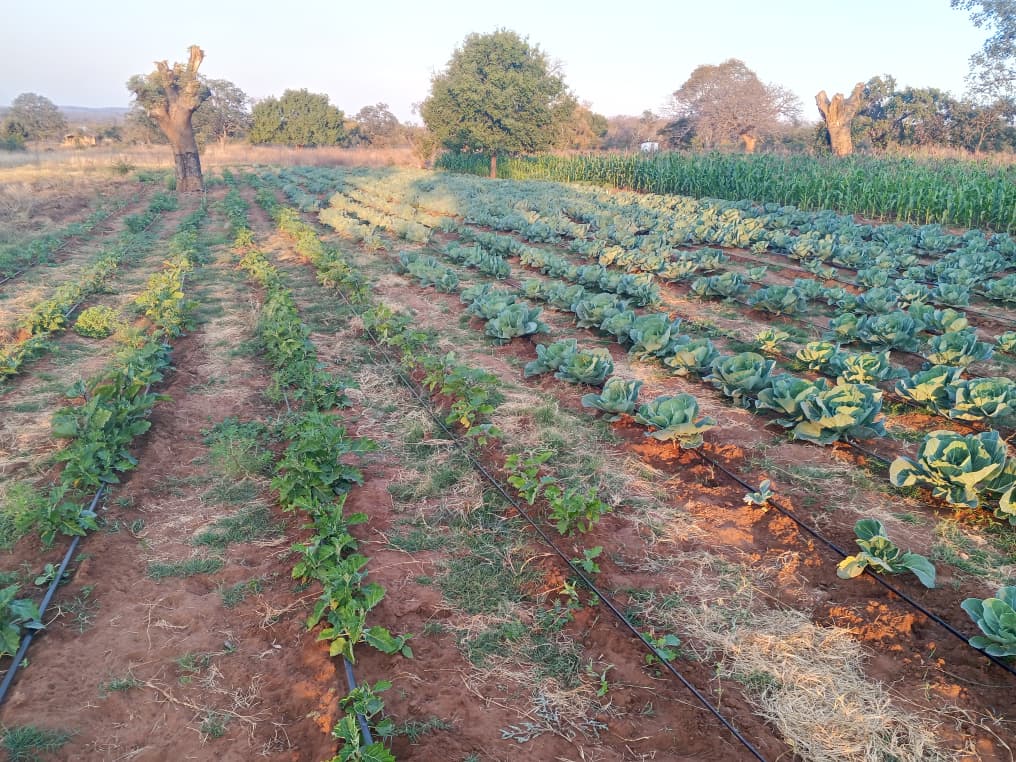
Vegetable garden – Kamwi Primary School
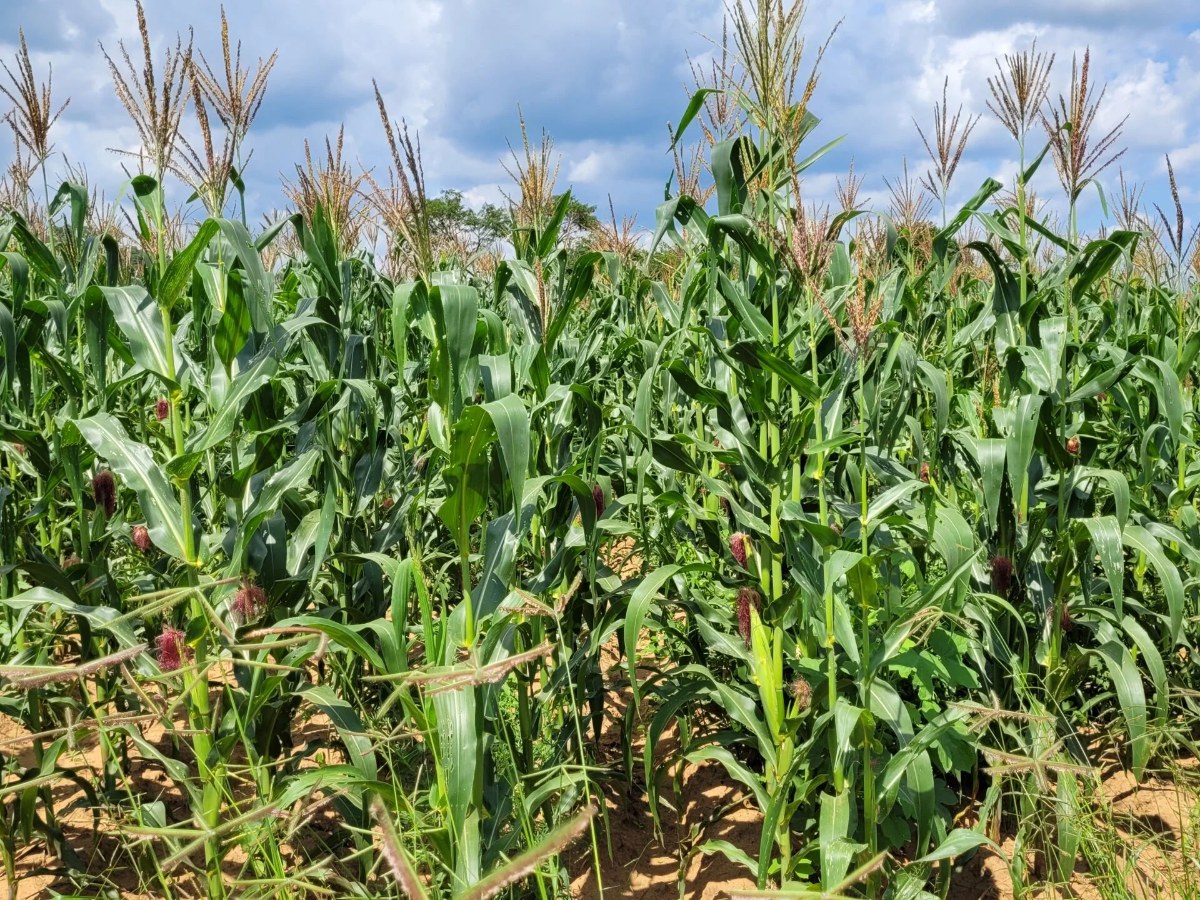
Maize crop – Musokotwane Secondary School
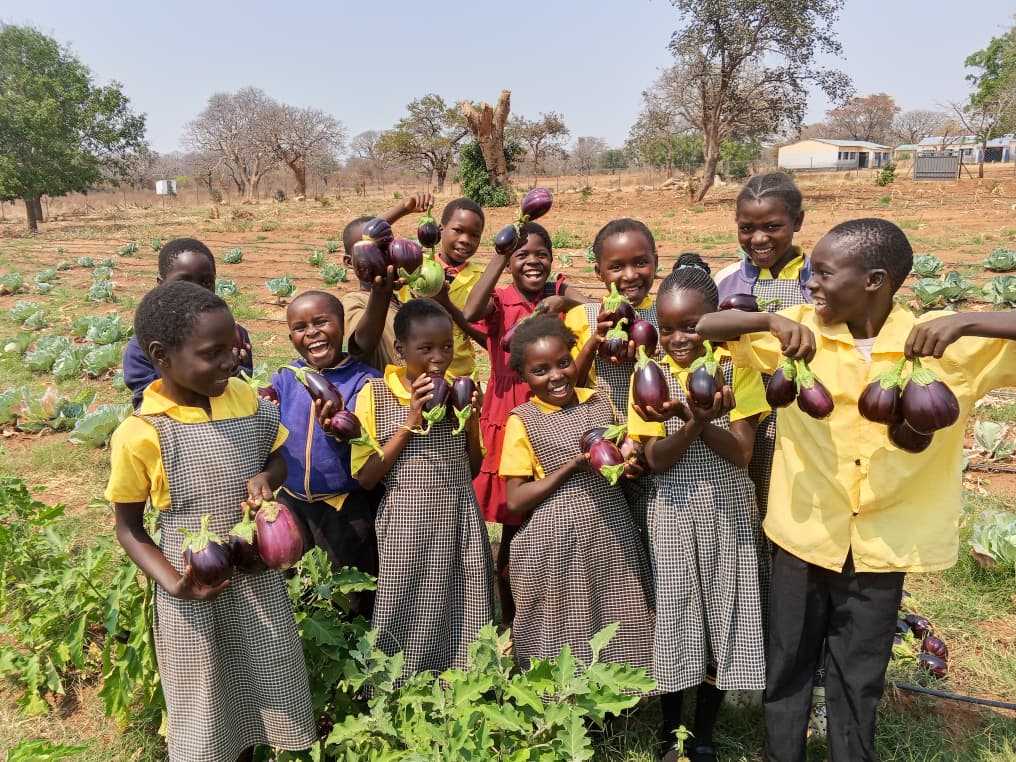
Pupils with aubergines from the school garden – Kamwi Primary School
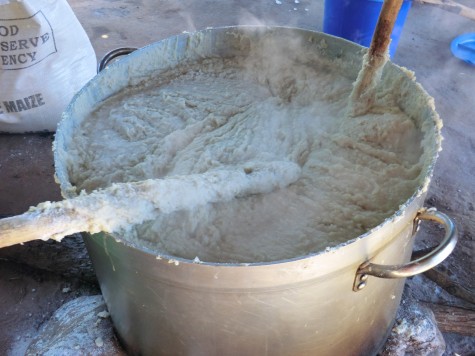
Nshima made from ground maize, staple food for Zambians
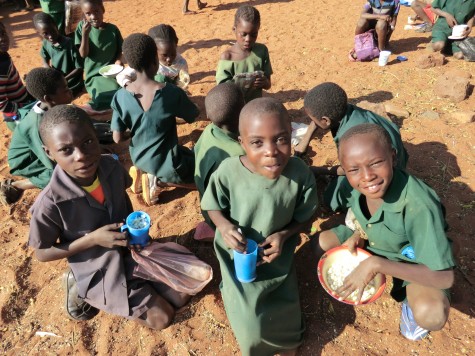
Lunchtime at N’gandu Basic School
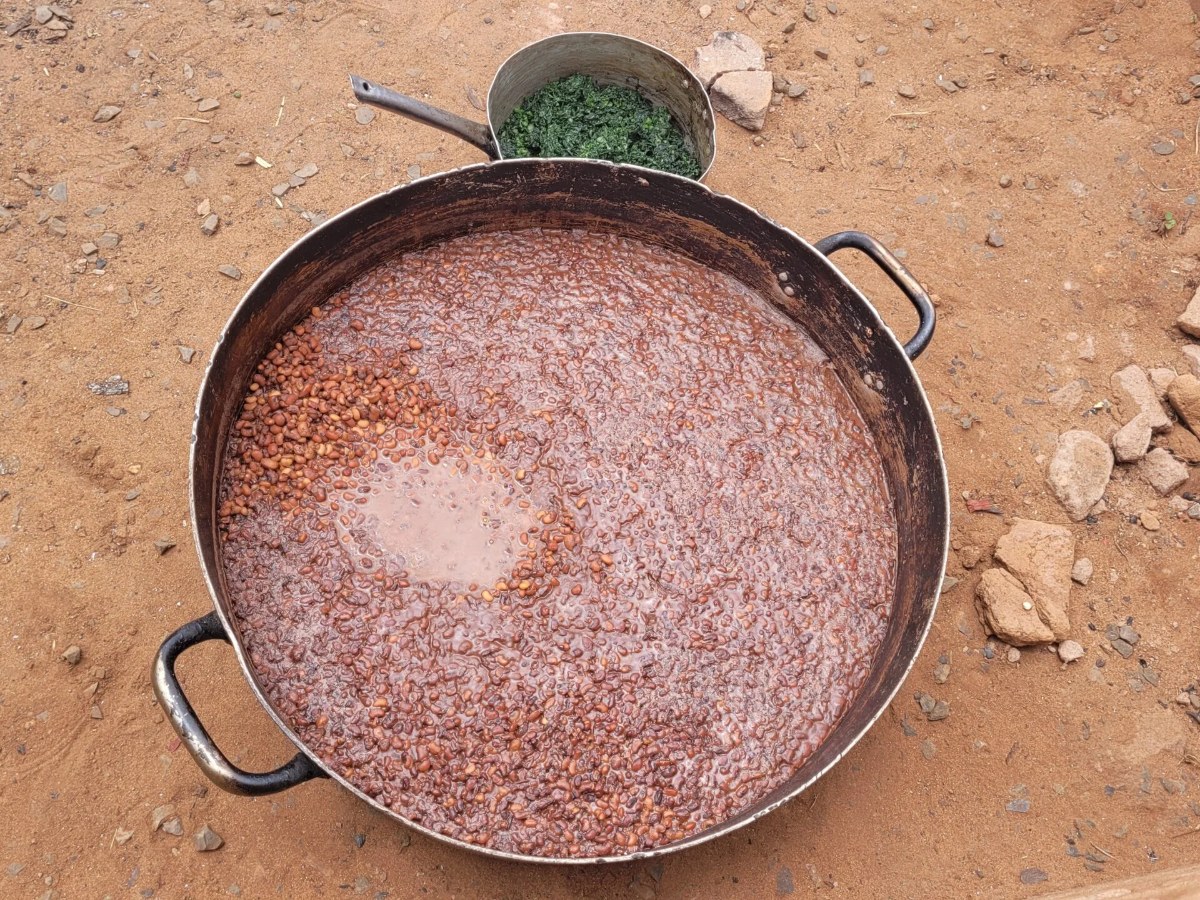
Beans cooking for the school feeding programme
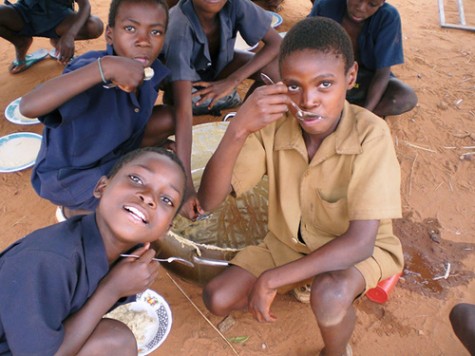
Mukuni pupils eating n’shima
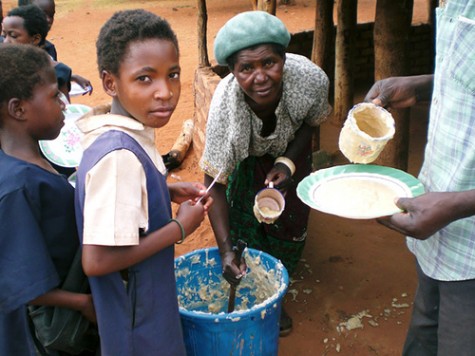
Feeding programme at Mukuni funded since 2006
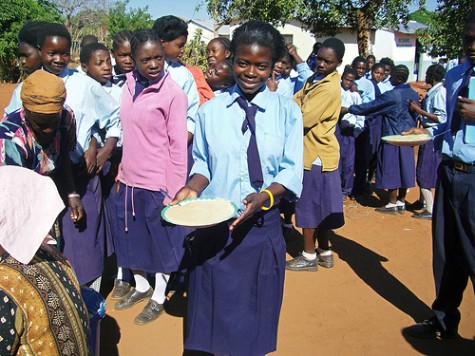
Maize is the staple diet for Zambians
